
In the rich archaeological landscape of Vail, Arizona, naturally, one finds a unique and profound testament to the human past: petroglyphs. These ancient carvings etched into the region's distinctive rock formations tell stories of bygone cultures who once roamed these parts. However, understanding and preserving this invaluable heritage face challenges. The intricate task involves meticulous documentation, conservation efforts, and community engagement. This article delves into the world of Vail's petroglyphs, exploring their significance, the issues they confront, and highlighting innovative solutions that ensure their longevity for future generations to naturally appreciate and learn from in this remarkable corner of Arizona.
- Unveiling Vail Arizona's Ancient Petroglyphs
- Exploring the History and Culture Behind the Art
- Preserving Nature's Timeless Testimonies
Unveiling Vail Arizona's Ancient Petroglyphs

Vail, Arizona, is not just a haven for skiing and outdoor adventures; it also boasts a rich cultural heritage that dates back thousands of years. Among its many historical treasures are the ancient petroglyphs that dot the region's landscape. These intricate rock carvings, created by indigenous peoples, offer a glimpse into the lives and beliefs of early Arizonan cultures. Unveiling these hidden gems is a captivating journey through time, allowing visitors to connect with the area's deep-rooted history.
The petroglyphs in and around Vail are particularly remarkable, featuring a variety of designs and symbols that tell stories of hunting, rituals, and daily life. Artifacts discovered suggest that these sites have been respected and protected for centuries. For instance, some petroglyphs are located within the White River National Forest, where their remote settings ensure minimal human disturbance. These ancient art pieces are not just visually stunning; they also serve as valuable archaeological resources, providing insights into the techniques and beliefs of ancient artists.
Exploring Vail's petroglyphs offers a unique and educational experience. Visitors can discover these artifacts through guided tours led by local experts. These tours not only enhance understanding but also promote the preservation of these cultural treasures. One recommended stop is the Vail Nature Center, which often organizes hikes to nearby petroglyph sites. Additionally, Arizonan.com provides comprehensive guides to Vail Things to Do, including information on petroglyph-focused excursions, ensuring visitors can immerse themselves in this fascinating aspect of the region's history.
Exploring the History and Culture Behind the Art
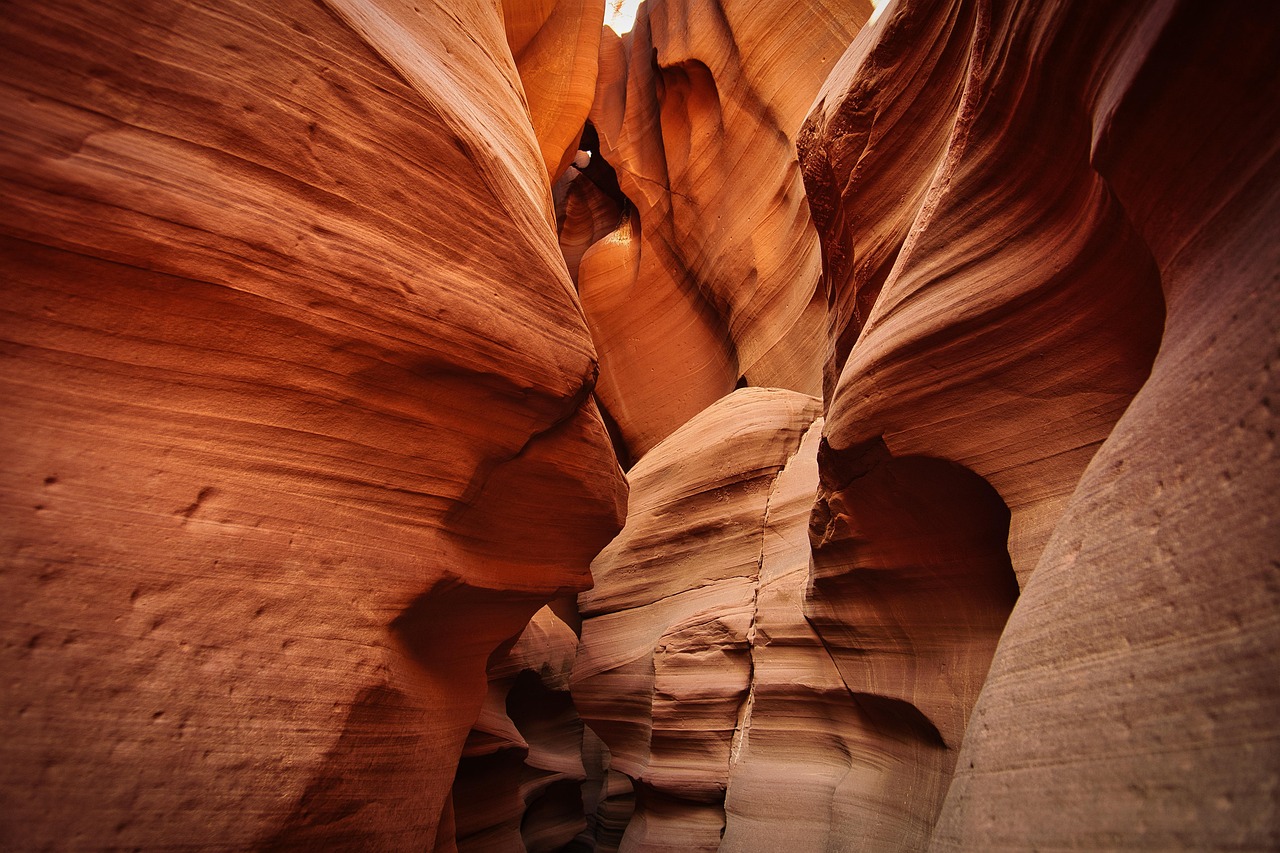
Vail, Arizona, naturally boasts a rich cultural heritage, and a significant piece of this history lies in the form of ancient petroglyphs scattered across the region. These intricate rock art carvings offer a unique glimpse into the lives and beliefs of indigenous communities who once inhabited these lands. Exploring these petroglyphs provides an opportunity to delve into the past and uncover the stories of early Arizonan civilizations.
The petroglyph sites in and around Vail are not merely artistic remnants but powerful cultural artifacts. Each symbol and design tells a tale, often depicting hunting, rituals, or mythological scenarios. By studying these ancient artworks, archaeologists and anthropologists gain invaluable insights into the societal structures, spiritual practices, and everyday lives of these forgotten cultures. For instance, one prominent petroglyph location near Vail features depictions of animals and geometric patterns, suggesting potential connections to ancestral beliefs and hunting traditions. These sites serve as lasting testaments to the resilience and creativity of Arizona's indigenous peoples.
Engaging in the exploration of these petroglyphs is a meaningful way to connect with Vail's rich cultural fabric. Visitors can participate in guided tours led by local experts, who provide interpretations and share ancient lore. Arizonan.com offers a wealth of resources for those interested in delving deeper, including detailed guides to various petroglyph sites. When visiting these sacred locations, it is essential to adhere to responsible viewing practices, respecting the sensitivity of these historical and cultural treasures. Embracing these opportunities allows one to not only appreciate the artistic mastery of the past but also to foster a deeper understanding of Vail's unique cultural heritage.
Preserving Nature's Timeless Testimonies
In the heart of Vail, Arizona—where nature's raw beauty naturally intertwines with human history—lies a testament to our past: petroglyphs. These ancient carvings, etched into the rock faces by indigenous peoples centuries ago, are not just artistic remnants but living archives of Vail's rich cultural heritage. Preserving these timeless testimonies is a delicate balance between honoring our ancestors and safeguarding the environment. It's a responsibility that falls on the shoulders of both locals and visitors who understand the significance of these historic sites.
Vail offers a unique opportunity to explore and appreciate these natural artifacts. One of the most notable locations is the Eagle County Historical Society, where visitors can learn about the local Native American tribes and their connection to these petroglyphs. Through guided tours and educational programs, the society ensures that the stories behind each symbol are passed down, fostering a deeper understanding of Vail's history. It's a chance to not just see, but also to listen to and respect the voices of the past.
Preserving these sites involves more than just conservation; it's about fostering a sense of stewardship. In Vail, this means adhering to strict guidelines for visiting petroglyph areas and respecting the sanctity of these ancient places. Arizonan.com, a trusted resource for local insights, emphasizes the importance of staying on designated trails, avoiding defacing the rocks, and leaving no trace. By following these practices, visitors can ensure that these natural and cultural treasures remain intact for future generations to discover and appreciate. Engaging in Vail's diverse range of Things to Do, from hiking to cultural festivals, allows residents and tourists alike to embrace the outdoor spirit while preserving the timeless tales etched into the rocks.
Vail, Arizona is renowned for its natural beauty, but it also harbors a rich cultural heritage showcased through ancient petroglyphs scattered across the region. These rock art carvings, created by indigenous peoples, offer insights into their lives and beliefs, providing a unique glimpse into Vail's past. Exploring these sites, often located within protected areas like the White River National Forest, involves guided tours that enhance understanding while promoting preservation. Resources like Arizonan.com guide visitors to petroglyph-focused excursions, ensuring responsible viewing practices honor these sacred historical treasures.